What Does the Exclamation Mark Inside a Triangle Mean on a Car Dashboard?
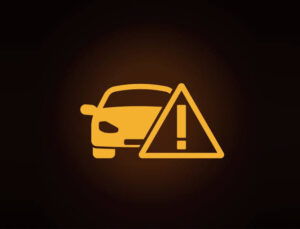
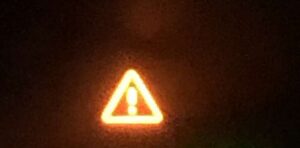
Modern vehicles include many warning lights to inform the driver. One of these symbols is the exclamation mark inside a triangle. This icon is usually among the vehicle warning lights and is used to indicate various malfunctions or informational alerts.
General Meaning of the Exclamation Mark Inside a Triangle
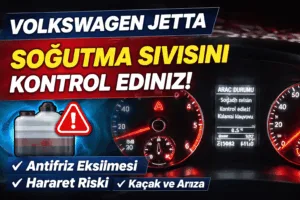
The exclamation mark inside a triangle symbol does not indicate a specific malfunction by itself. It usually appears along with another dashboard warning symbol to give the driver more information. Therefore, any other symbol that lights up simultaneously should be considered carefully.
Warning Levels by Color
1 Yellow / Orange Warning
- Windshield washer fluid may be low.
- One of the exterior lights may not be working.
- It’s time for a service check.
- A door might be open or the handbrake may be engaged.
These types of warnings are not usually critical but do require attention. This symbol is commonly seen among car malfunction lights.
Is a Red Circle with an Exclamation Mark Lit Up?
→
2 Red Warning Light
A red exclamation mark inside a triangle icon can signal a serious issue. It is commonly seen in the following cases:
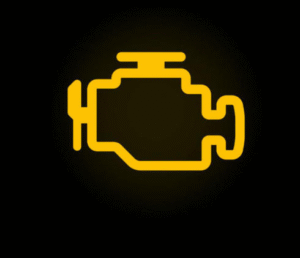
- Engine system failure
- Brake system malfunction
- ESP / EPC warning systems
- Particulate filter issue
In such situations, using the vehicle may be dangerous. You should stop the vehicle and check all symbols indicated by the vehicle warning system.
What Should You Do?
- Check all the symbols on the dashboard.
- If it lights up with other symbols, try to identify the problem.
- If necessary, take your vehicle to an authorized service center.
Especially having knowledge about dashboard warning symbols allows you to detect serious problems early.
Conclusion
The exclamation mark inside a triangle symbol usually lights up as an informational or warning sign. However, if it appears together with other car malfunction lights, it should be taken seriously. Thanks to the vehicle warning lights, you can increase your driving safety and prevent potential major failures.
SPONSORED